International Women’s Day 2026: How “Give to Gain” Can Accelerate Gender Equality in Tech
03 Mar, 20265 MinutesEvery year on March 8, International Women’s Day (IWD) challenges us to reflect on pro...

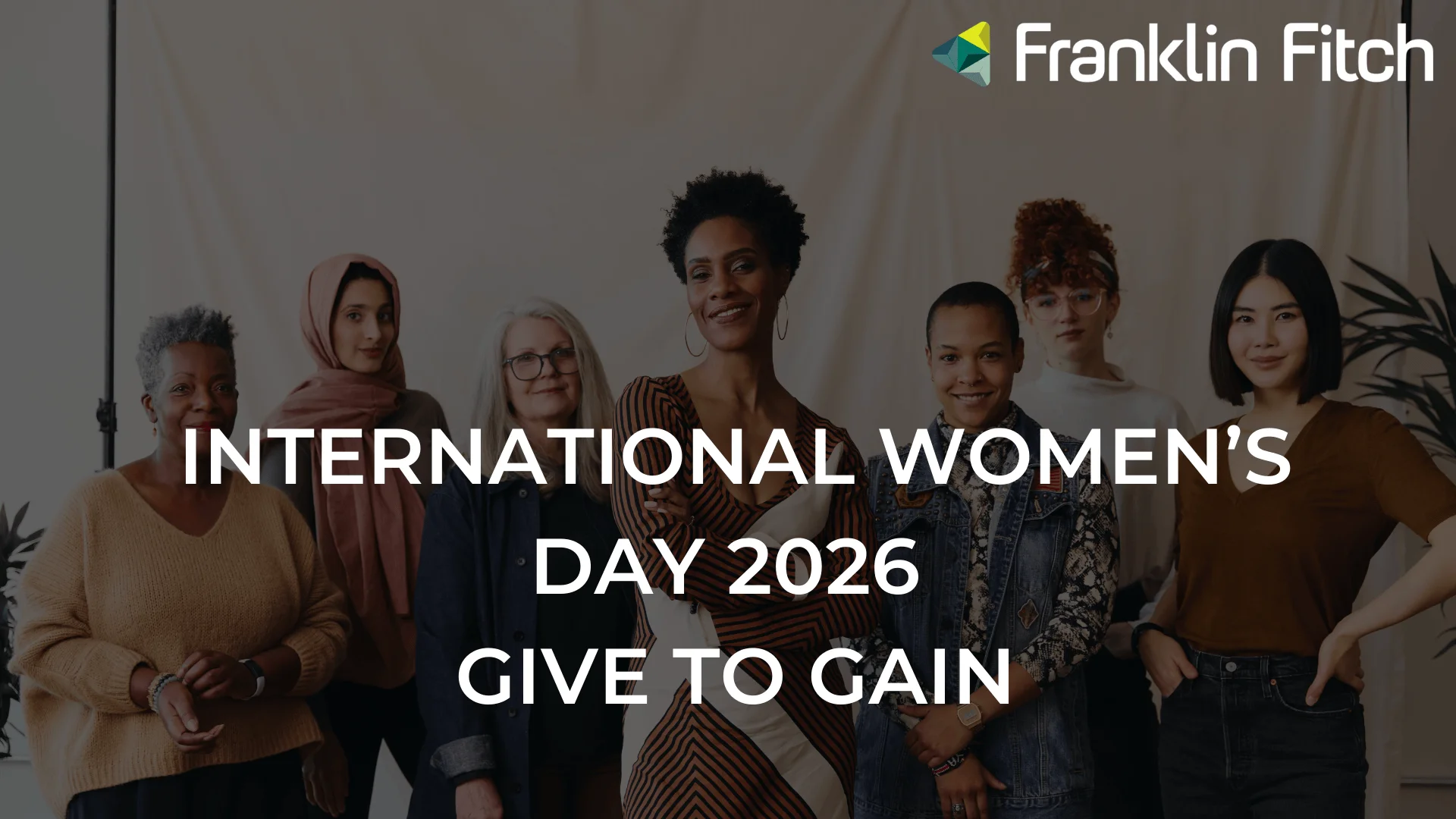
Every year on March 8, International Women’s Day (IWD) challenges us to reflect on progress toward gender equity, and on the gaps we still need to close. The official 2026 theme, “Give to Gain,” underscores a powerful message: when individuals and organizations invest in women through opportunity, advocacy, and support, everyone benefits. The campaign emphasizes a mindset of generosity, collaboration, and shared advancement, positioning empowerment not as a subtraction of resources but as a multiplier of collective success.
This idea resonates particularly strongly within the technology sector, where gender inequality remains pervasive, despite years of attention and investment. Today’s tech leaders - especially staffing and talent‑development firms - have a unique opportunity to drive meaningful change by building ecosystems that give women the tools, pathways, and sponsorship they need to thrive.
Why “Give to Gain” Matters in 2026
The “Give to Gain” campaign encourages individuals and organizations to invest their time, resources, mentorship, and advocacy toward women’s advancement, noting that “when women thrive, we all rise.” The global IWD initiative reinforces that giving, whether through mentorship, pay equity efforts, representation, or leadership opportunities, creates an environment where innovation and prosperity multiply. This philosophy aligns with research showing that organizations with gender‑diverse leadership teams have a 39% greater likelihood of financial outperformance.
In other words, the more we contribute to expanding opportunities for women, the more the technology industry, and the economy as a whole, stands to gain.
The Current State of Gender Equality in Tech
Despite growing awareness, the tech industry continues to lag behind other sectors in gender representation, leadership, and pay equity.
Women remain underrepresented across tech roles
Women hold only 26.7% of technology jobs in the United States, even though they make up nearly half of the overall workforce. This underrepresentation is consistent globally as well: women constitute only 26–28% of the global tech workforce.
Representation drops even further in technical positions. Women account for just over a quarter (27%) of all U.S. tech occupations, and in core technical roles like software engineering or cybersecurity, the percentage often dips below 20%.
Leadership gaps remain wide
Women occupy only 11% of executive positions in the tech industry. Major tech companies also continue to show imbalance, with none of the “Big Five”, Google, Apple, Meta, Amazon, Microsoft, ever having appointed a woman as CEO.
The attrition problem persists
One of the most troubling patterns is the rate at which women leave the industry. Half of women in tech leave by age 35. Mid‑career attrition is fueled by factors including workplace
The gender pay gap remains substantial
Women in tech earn about 84 cents for every dollar earned by men. This wage gap has direct implications for long‑term earning potential, retirement savings, and financial stability, especially in an industry where salaries are rapidly rising.
These systemic inequities underscore why International Women’s Day remains not just a celebration, but a call to action.
Why Progress Has Stalled: Understanding the Root Causes
Bias in hiring, promotion, and workplace culture
Surveys show that 65% of tech recruiters acknowledge hiring bias, and 66% of women report lacking clear advancement pathways within their companies. Women also frequently encounter “bro culture”, a male‑dominated environment where exclusion, bias, and microaggressions are common. In fact, 72% of women in tech report experiencing this culture at work.
The STEM education pipeline remains unequal
While STEM education initiatives are improving, the disparities remain stark. Women earn only 21% of computer and information science bachelor’s degrees in the U.S. The percentage of new computer science degrees earned by women has stagnated around 20%, down significantly from 37% in 1985.
Funding disparities restrict women‑led innovation
Only 1% of U.S. venture capital funding goes to all‑female founding teams. This lack of funding not only limits women’s entrepreneurial potential but also reduces innovation diversity in emerging technologies.
How “Give to Gain” Can Close the Gender Gap in Technology
The ethos of “Give to Gain” can serve as a strategic framework for closing the gender gap in tech. Here’s how companies—and especially staffing firms—can put it into action:
1. Give opportunity: Build equitable hiring pipelines
Tech staffing firms can fundamentally shift outcomes by rethinking sourcing strategies, reducing bias in screening, and ensuring diverse candidate slates. Companies with mandatory gender‑balanced hiring practices outperform those relying on voluntary guidelines.
2. Give transparency: Close the gender pay gap
Conducting regular pay‑equity audits and adjusting compensation discrepancies is one of the most direct ways to support women. Transparent salary bands and structured promotion criteria reduce inequity, improve retention, and build organizational trust.
3. Give mentorship: Strengthen retention and leadership pathways
Mentorship and sponsorship are proven predictors of advancement for women in tech. Systems that empower senior leaders to mentor women help counteract attrition, especially for mid‑career women, who leave at disproportionately high rates.
4. Give flexibility: Address work‑life balance barriers
Work‑life balance is one of the leading reasons women exit the tech workforce. Flexible work schedules, remote‑friendly policies, and caregiving‑support programs can dramatically increase retention. Research indicates women are more likely to stay when they have reliable pathways to balance work and family life.
5. Give visibility: Celebrate women’s contributions
Highlighting women leaders, amplifying accomplishments, and ensuring representation in high‑visibility projects helps combat stereotypes and reinforces the message that women belong in technical and leadership roles.
The Role of Tech Staffing Firms: Why This Matters for the Industry’s Future
For U.S. technology staffing specialists, advancing women’s participation is not only an equity imperative, it’s a business advantage. Diversified workforces drive stronger innovation, improved financial performance, and greater market competitiveness. Companies with gender‑diverse executive teams see significantly stronger financial outcomes.
By championing “Give to Gain” and embedding gender equity into recruitment, training, and placement strategies, staffing firms can help shape a more resilient and inclusive tech workforce, one that truly reflects the diverse talent and perspectives required for the next generation of innovation.
Giving Isn’t Just Generosity - It’s Strategy
This year’s International Women’s Day theme reminds us that giving, of opportunities, support, resources, or advocacy, is not a one‑sided act. It fuels a cycle where women progress, businesses accelerate, and societies prosper. “Give to Gain” isn’t just a theme. It’s a roadmap for building a modern, inclusive, and thriving technology sector.
The tech industry has the potential to lead the world in innovation. To unlock that promise, we must commit to giving women the tools, access, and support they need to excel. Because when we give women the opportunity to rise, we all rise with them.
If you'd like to find out more about how a specialist staffing company can support you in your DE&I efforts, reach out to our team via our contact form.